Eco Report 2026
The Spanish sun lights up the future
The world is changing and natural resources are dwindling. Spain, with its privileged solar exposure and long agricultural tradition, plays a central role in the transition toward a cleaner energy model. This educational report reviews, in a measured tone, the figures and decisions that will shape the next decade of sustainable development.
Global warming
According to AEMET data, average temperatures across the Iberian Peninsula have risen by around 1.7 °C since 1961. Protecting Mediterranean ecosystems requires lowering emissions, preserving fertile soil and improving water management.
The Paris Agreement and the European Green Deal set a clear road map toward climate neutrality by 2050. Interim milestones for 2030 call for a 55 % reduction in net emissions compared with 1990 levels — a demanding but realistic objective.
Spain's role in green energy
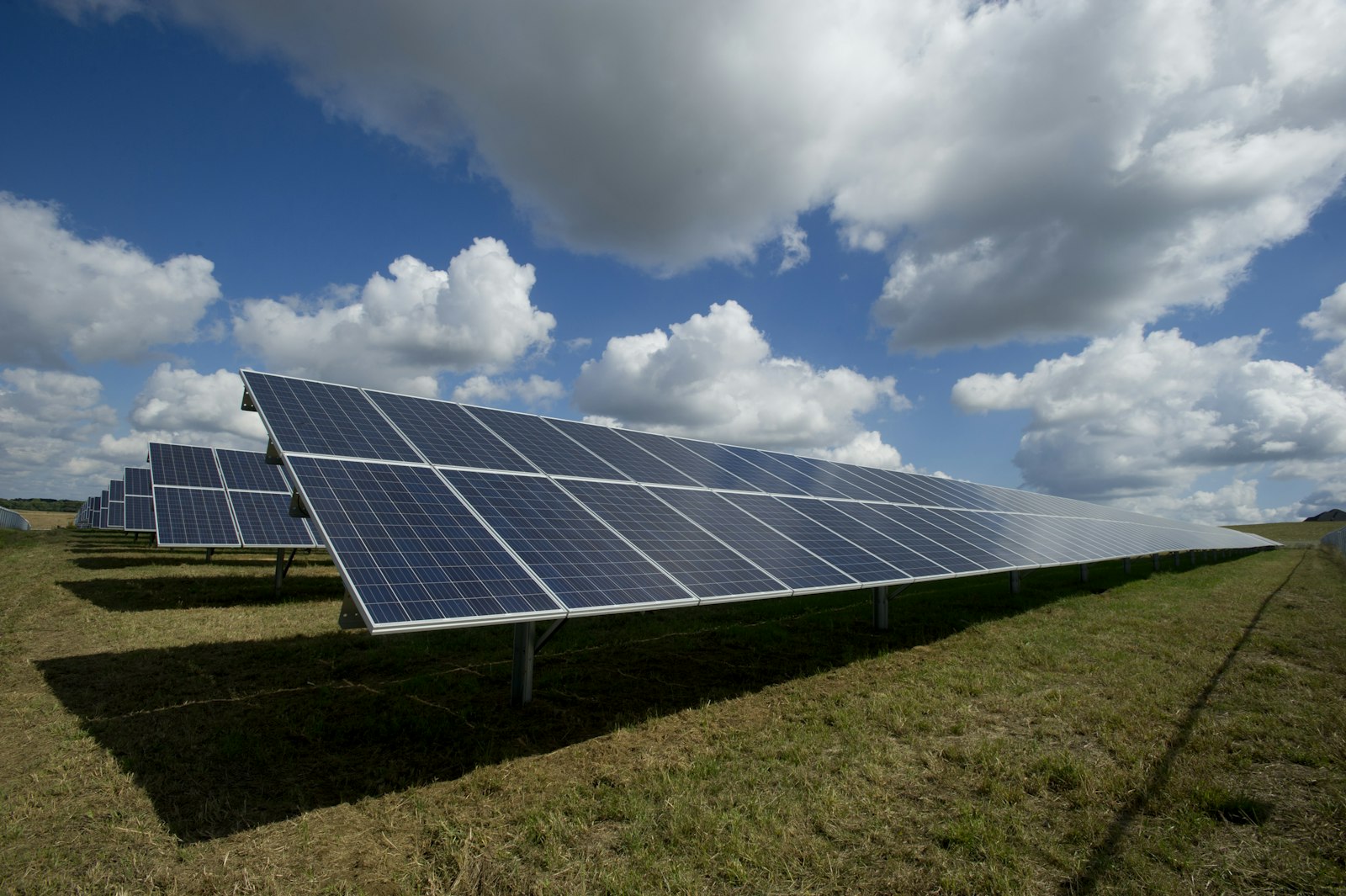
Spanish energy companies, in cooperation with universities and technology centres, have driven the development of photovoltaic solar parks in Extremadura, Castilla-La Mancha and Andalusia. Renewable installed capacity exceeded 80 GW in 2025.
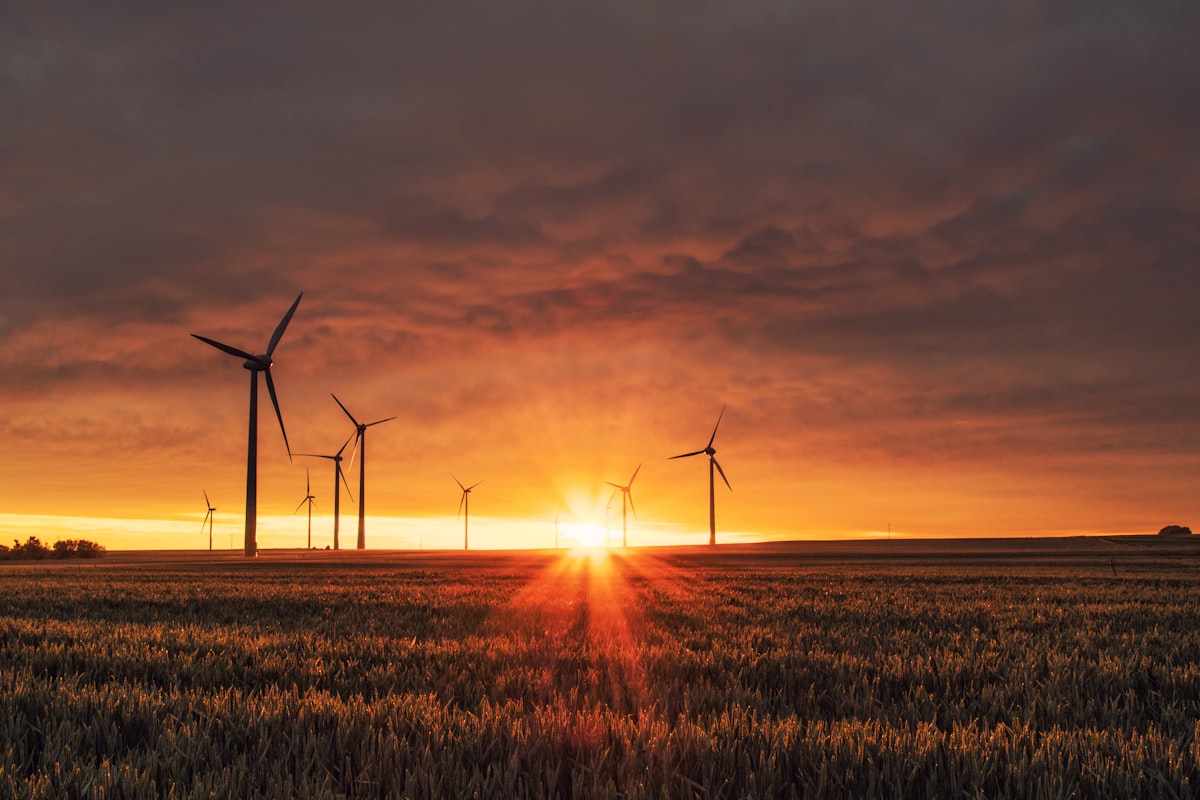
Onshore and offshore wind power, along with battery storage and pumped hydro, complete an energy mix capable of providing stability to the grid. The forthcoming interconnection with France through the Pyrenees will reinforce the export role of the Iberian electricity system.
The future of agriculture
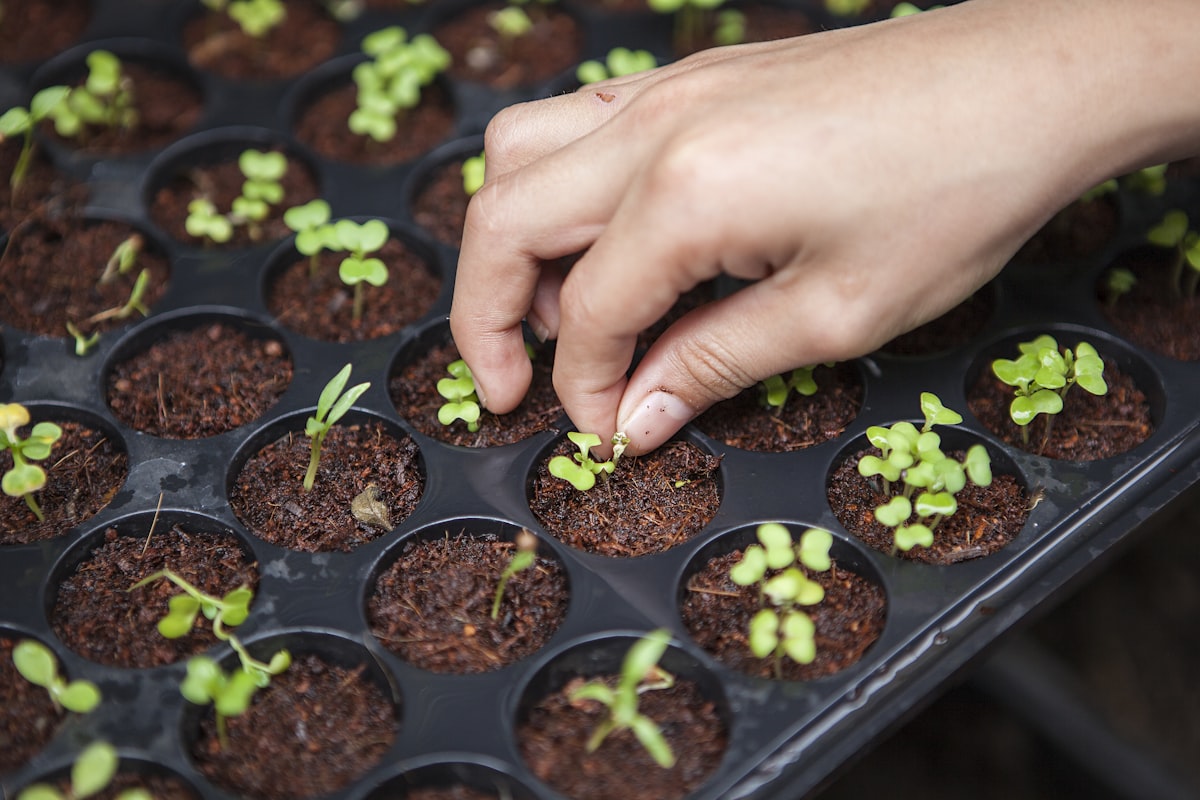
So-called Agriculture 5.0 combines soil moisture sensors, satellites and open data to optimise the use of water and fertilisers. Regenerative practices that improve soil health are already in use across the Extremaduran dehesas and the olive groves of Jaén.
Protecting native varieties, crop rotation and integrating solar panels into farms outline a more resilient rural landscape. The future relies on combining tradition and scientific knowledge in the service of the territory.